
In today’s fast-paced digital world, every brand faces one crucial question — should you invest in SEO (Search Engine Optimization) or Paid Ads? Both are powerful tools that can skyrocket your online presence, but they work in very different ways.
Let’s dive deep into this topic to find out which one works best for your brand in 2025.
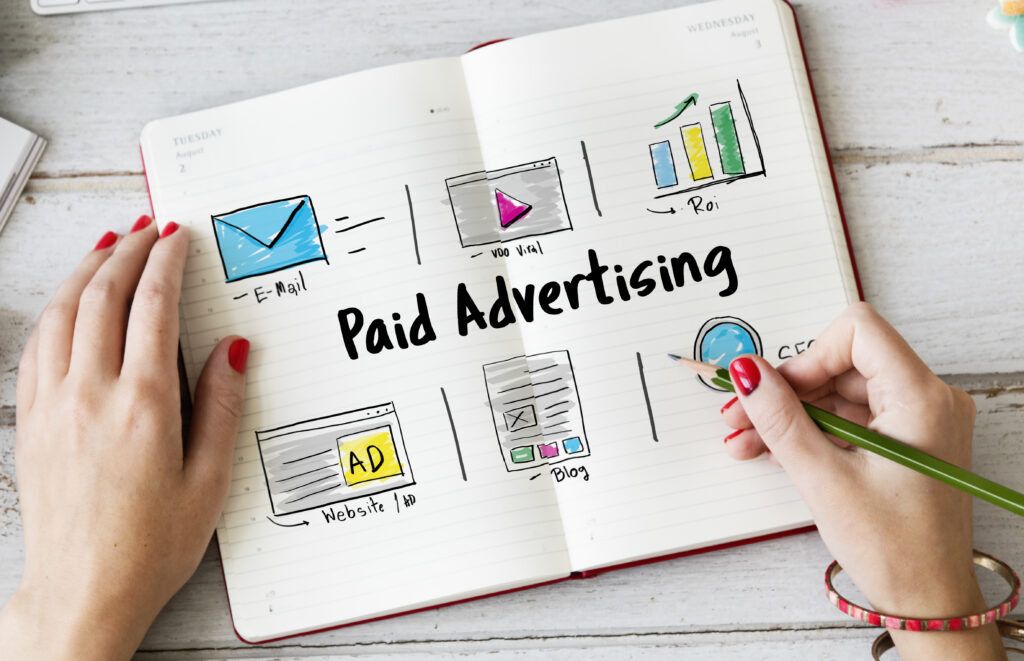
Understanding the Basics
What is SEO (Search Engine Optimization)?
SEO is all about improving your website’s visibility on search engines like Google, Bing, and Yahoo — without paying for ads. When done right, SEO helps your site rank organically, attract traffic, and build long-term credibility.
Key components of SEO include:
Keyword research and optimization
On-page SEO (content, titles, meta tags)
Off-page SEO (backlinks and authority building)
Technical SEO (site speed, structure, and indexing)
What are Paid Ads?
Paid Ads, also known as Pay-Per-Click (PPC) campaigns, allow you to pay for visibility. Platforms like Google Ads, Facebook Ads, and Instagram Ads show your business to targeted audiences instantly.
Common types of paid ads include:
Search Ads
Display Ads
Social Media Ads
Video Ads (like YouTube campaigns)
The Key Differences Between SEO and Paid Ads
| Feature | SEO | Paid Ads |
|---|---|---|
| Cost | Free traffic but requires time and effort | Pay per click or impression |
| Results | Takes time | Immediate |
| Longevity | Long-term | Short-term |
| Control | Limited control over ranking | Full control over targeting and budget |
The Pros of SEO
1. Builds Long-Term Credibility and Trust
Websites that appear naturally on Google’s first page are often seen as more trustworthy than ads.
2. Cost-Effective Marketing Strategy
Once your website ranks, you don’t have to pay for each click — making SEO cheaper in the long run.
3. Generates Sustainable Organic Traffic
Organic traffic continues even if you pause active campaigns.
4. Higher Click-Through Rates (CTR)
Users tend to click on organic results more than ads, especially for informational searches.
The Cons of Paid Ads
1. Can Be Expensive Over Time
Costs add up, especially in competitive niches like real estate or e-commerce.
2. Traffic Stops When You Stop Paying
Unlike SEO, once your ad budget ends, visibility disappears immediately.
3. Ad Fatigue and Lower Engagement
People may skip or ignore repetitive ads over time.
The Cons of SEO
1. Takes Time to Show Results
SEO is a long game — it may take 3–6 months before you see noticeable improvements.
2. Requires Consistent Effort
You need to keep updating content and optimizing for the latest trends.
3. Algorithm Updates Can Affect Ranking
Google’s frequent updates can sometimes drop your rankings unexpectedly.
The Pros of Paid Ads
1. Instant Visibility
As soon as you launch an ad, your brand appears in front of your target audience.
2. Highly Targeted Audience Reach
You can choose who sees your ads based on age, location, interests, and more.
3. Measurable Results and Analytics
Paid platforms provide real-time data to track ROI, conversions, and engagement.
4. Flexible Budget and Campaign Options
Start with as little as ₹1000 or scale up — paid ads give you full control.
When to Use SEO
When you want to build a strong online presence over time.
Ideal for bloggers, startups, and small businesses.
Perfect for brands focusing on organic growth and credibility.
When to Use Paid Ads
When you need instant leads or sales.
Perfect for seasonal promotions or product launches.
Ideal for businesses with flexible budgets.
The Perfect Combination: SEO + Paid Ads
The best strategy often combines both.
Use paid ads for quick traffic and conversions, while SEO builds your brand authority for the long term.
Example:
Run Google Ads for a new product while optimizing your landing page for SEO to sustain traffic after the campaign ends.
Measuring Success
SEO Metrics to Track
Organic traffic
Keyword rankings
Bounce rate
Backlinks
Paid Ads Metrics to Track
Cost per click (CPC)
Click-through rate (CTR)
Conversion rate
Return on ad spend (ROAS)
Which One Works Better for Your Brand?
There’s no one-size-fits-all answer.
Choose SEO if you’re playing the long game and want credibility.
Choose Paid Ads if you want instant visibility and fast results.
Combine both for the best balance of short-term gains and long-term stability.
Common Mistakes Businesses Make
Relying entirely on one strategy
Ignoring analytics and performance data
Not optimizing landing pages
Failing to test different ad creatives
Conclusion
Both SEO and Paid Ads have their strengths. Think of SEO as planting a tree that grows over time, while Paid Ads are like switching on a light — immediate but temporary.
A smart marketer blends both strategies to maximize reach, conversions, and brand awareness.
FAQs
1. Is SEO better than paid ads for small businesses?
Yes, SEO is more affordable and sustainable, especially if you’re on a limited budget.
2. How long does SEO take to show results?
Usually between 3 to 6 months, depending on your competition and content quality.
3. Can I run SEO and paid ads together?
Absolutely! It’s one of the most effective digital marketing combinations.
4. Are paid ads worth it for new businesses?
Yes, if you need quick brand awareness or want to test your market.
5. What’s the most cost-effective strategy in 2026?
A mix of SEO and Paid Ads tailored to your goals and audience.