Why Email Marketing is a Game-Changer for Small Businesses
Email marketing remains one of the most cost-effective and powerful tools for small businesses in 2025. Whether you’re a local bakery, a digital agency, or an online shop, email marketing allows you to reach customers directly, build loyalty, and drive sales without spending a fortune.
It’s personal, measurable, and when done right — it can turn casual subscribers into lifelong customers.
What is Email Marketing and How Does It Work?
Email marketing involves sending targeted messages to a group of people via email. The goal is to inform, engage, and convert subscribers into paying customers.
It works like this:
You collect emails from potential customers.
You send them valuable content — promotions, updates, or newsletters.
You track how they engage and refine your strategy over time.
Simple, right? But mastering it takes a little planning — and that’s what we’ll cover next.
Benefits of Email Marketing for Small Businesses
Cost-effective: No huge ad budgets needed.
Direct communication: Speak directly to your audience.
High ROI: For every $1 spent, businesses earn around $36 on average.
Builds relationships: Personalized emails increase customer trust.
Boosts repeat sales: Great for retaining loyal customers.
Step 1: Build and Segment Your Email List
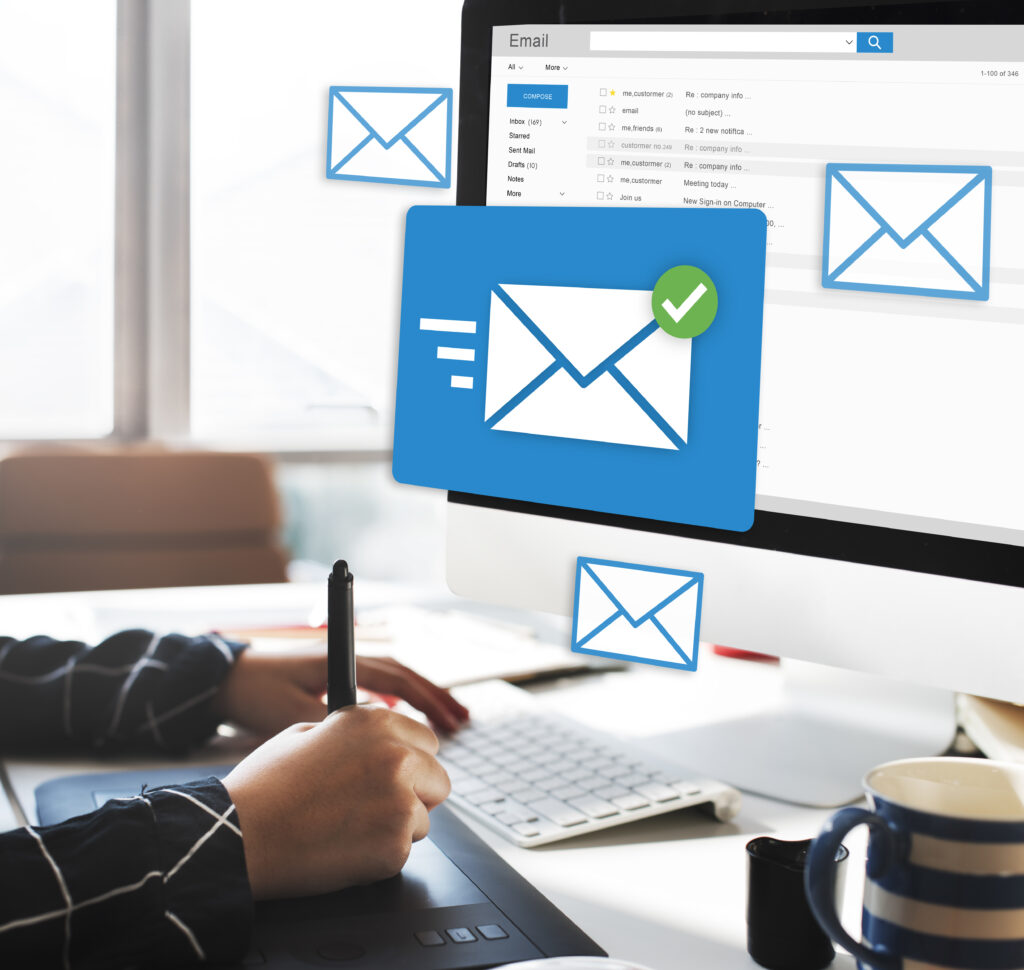
Before sending your first email, you need a list of subscribers who actually want to hear from you.
How to Collect Email Subscribers Effectively
Add signup forms on your website or landing pages.
Offer freebies like eBooks, discount codes, or exclusive updates.
Collect emails through social media campaigns.
Use pop-ups strategically — not annoyingly.
Remember: Always get permission before sending marketing emails. Nobody likes spam.
The Importance of List Segmentation
Not all your subscribers are the same.
Segment your list based on:
Age or location
Buying behavior
Interests or engagement level
This way, you can send personalized messages that speak to each group’s needs.
Step 2: Choose the Right Email Marketing Platform
Choosing the right tool makes email marketing smoother and more effective.
Best Tools for Small Businesses
Mailchimp – Great for beginners
ConvertKit – Best for creators and bloggers
Brevo (formerly Sendinblue) – Perfect for automation
Constant Contact – Ideal for eCommerce
MailerLite – Affordable and easy to use
Key Features to Look For
Drag-and-drop email builder
Automation tools
Analytics dashboard
A/B testing capabilities
Mobile-friendly templates
Pick one that fits your business goals and budget.
Step 3: Create Engaging Email Content
Your content determines whether your readers stay, click, or unsubscribe.
Types of Emails You Can Send
Welcome emails: First impressions matter.
Newsletters: Keep your audience informed.
Promotional emails: Offer discounts or product launches.
Re-engagement emails: Win back inactive subscribers.
Thank-you emails: Build trust after every purchase.
Writing Subject Lines That Get Clicks
Your subject line is your email’s “first handshake.”
Tips:
Keep it short (under 50 characters).
Create curiosity (e.g., “You’ll love what’s inside 👀”).
Personalize when possible (“Hey John, we picked this for you!”).
A great subject line boosts your open rates instantly.
Step 4: Automate and Schedule Your Campaigns
Consistency is key — and automation helps you achieve it.
The Power of Automation in Email Marketing
Automated workflows save time and ensure timely communication. Examples:
Welcome series for new subscribers
Cart abandonment emails for online stores
Birthday or anniversary offers
Follow-up emails after a purchase
Best Practices for Scheduling Emails
Send newsletters once a week or bi-weekly
Avoid sending too many emails — quality over quantity
Test different days and times to find when your audience engages most
Automation tools handle the heavy lifting while you focus on strategy.

Step 5: Track, Measure, and Optimize Performance
If you can’t measure it, you can’t improve it.
Key Metrics to Monitor
Open Rate: How many people opened your email
Click-Through Rate (CTR): How many clicked your links
Conversion Rate: How many took the desired action
Bounce Rate: How many emails didn’t reach the inbox
Unsubscribe Rate: How many opted out
How to Improve Future Campaigns
Test different subject lines (A/B testing)
Segment your audience further
Use personalized greetings and content
Analyze what type of content gets the most clicks
The more you test, the better your campaigns perform.
Common Mistakes to Avoid in Email Marketing
Buying email lists (huge red flag 🚫)
Sending too many promotional emails
Ignoring mobile users
Forgetting to include a clear CTA
Neglecting analytics and optimization
Avoid these, and your email marketing will thrive.
Top Email Marketing Tips for Beginners
Keep your tone conversational and friendly.
Always add value before promoting products.
Use visuals to make your emails attractive.
Personalize wherever possible.
Clean your list regularly to remove inactive users.
Examples of Successful Small Business Email Campaigns
A local café sends weekly “coffee of the week” emails — boosting sales by 25%.
A handmade jewelry brand sends behind-the-scenes updates, building a loyal following.
A gym uses automated re-engagement emails to bring back old members.
These examples show how simple strategies can create meaningful impact.
How Email Marketing Builds Customer Loyalty
Every email is a chance to build trust. When customers see your name in their inbox — and it’s always something valuable — they remember you. Over time, this strengthens your brand relationship and keeps them coming back.
Future Trends in Email Marketing
The world of email marketing keeps evolving.
Here’s what’s next:
AI-driven personalization
Interactive emails (surveys, polls, videos)
Mobile-first design
Privacy-first strategies (no spam, more consent)
Staying ahead of trends gives your small business a competitive edge.
Conclusion: Start Your Email Journey Today
Running an email marketing campaign might sound complicated, but it’s really about connecting with your audience.
By following these five simple steps — from building your list to optimizing your results — you can create a strategy that grows your small business steadily and sustainably.
Start today, one email at a time — because the inbox is still the most personal space on the internet.
FAQs About Email Marketing for Small Businesses
1. How often should I send marketing emails?
Once or twice a week is ideal — consistent but not overwhelming.
2. What’s the best time to send emails?
Usually midweek (Tuesday–Thursday) and late mornings work best.
3. Can I use free email marketing tools?
Yes, platforms like Mailchimp and MailerLite offer free plans for small lists.
4. How do I grow my email list fast?
Offer incentives like discounts, free guides, or exclusive access.
5. What should I avoid in email marketing?
Avoid spamming, clickbait subject lines, and unsegmented mass emails.