What is a Pay-Per-Click (PPC) Campaign?
Ever clicked an ad on Google or Facebook and landed on a website? That’s PPC in action!
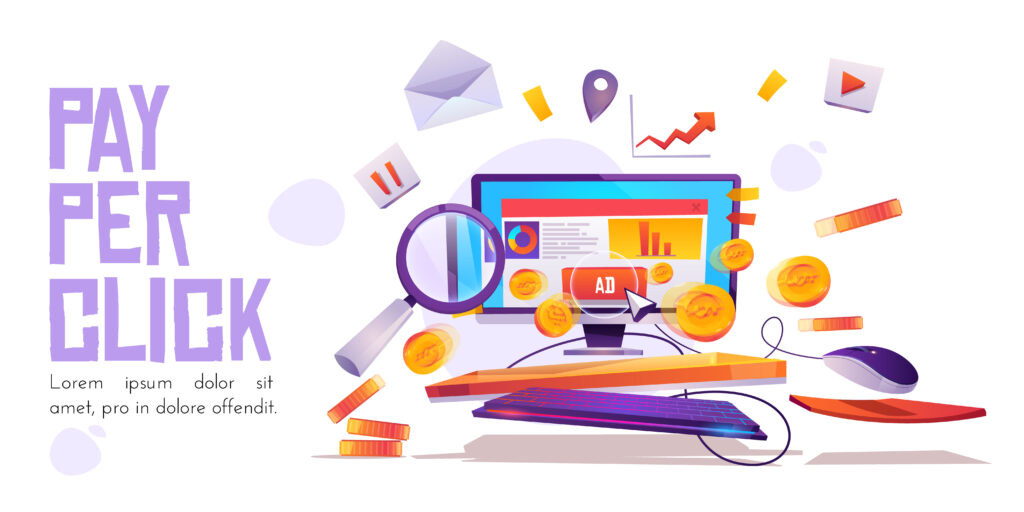
Pay-Per-Click (PPC) is a digital marketing strategy where advertisers pay only when someone clicks their ad. It’s like renting prime space online — but you only pay for the visitors who actually knock on your door.
Why PPC Campaigns Matter in Digital Marketing
PPC campaigns give instant visibility on search engines, bringing your business in front of the right audience at the right time. Unlike SEO, which takes months to rank, PPC delivers immediate traffic, high-quality leads, and measurable results — perfect for startups and growing brands.
Step 1: Understand the Basics of PPC
Before running ads, it’s crucial to know how PPC works.
What Does “Pay-Per-Click” Actually Mean?
It means advertisers bid for ad placement in a search engine’s sponsored links. If someone searches “organic food near me” and your ad appears — you pay only when the user clicks it.
Common PPC Platforms You Should Know
Google Ads – The most popular PPC network
Microsoft Advertising (Bing Ads)
Facebook Ads & Instagram Ads
LinkedIn Ads – Ideal for B2B marketing
YouTube Ads – Great for visual campaigns
Step 2: Set Clear Campaign Goals
Think of PPC like a GPS — without a destination, you’re just burning fuel.
Set clear goals before launching your campaign.
Examples of PPC Goals
Drive more website traffic
Generate qualified leads
Increase eCommerce sales
Promote a new product
Boost brand awareness
Why Goal Setting is Crucial
Clear goals help you choose the right ad format, keywords, and budget. It’s the difference between shooting arrows in the dark and hitting the bullseye.
Step 3: Choose the Right Keywords
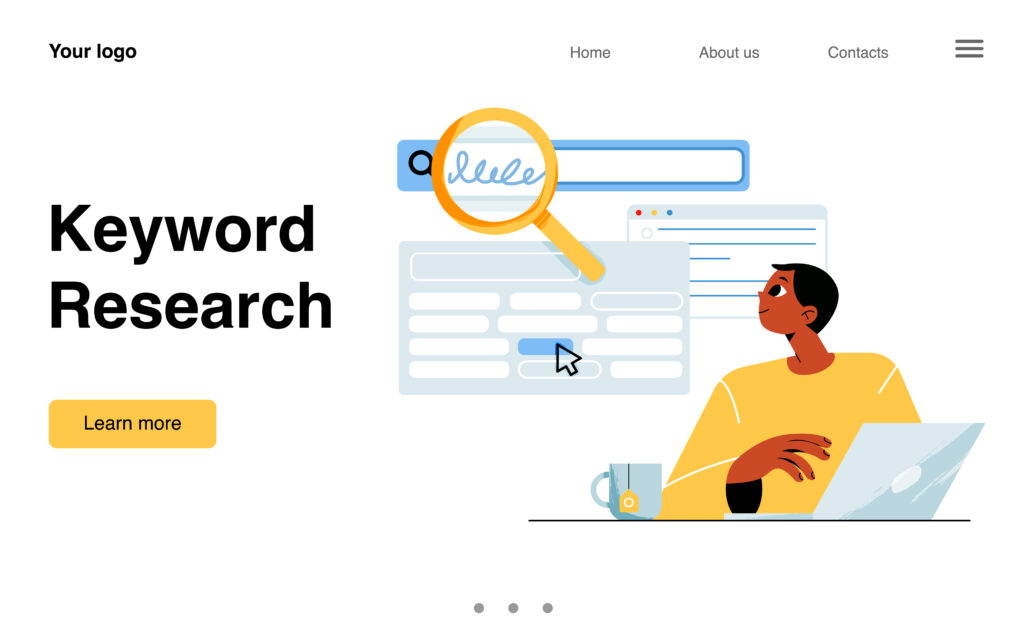
Your keywords determine where and when your ad appears.
If your business sells handmade candles, you wouldn’t want to target “free candles,” right?
The Importance of Keyword Research
Keyword research helps you find what your audience is searching for. Using high-intent keywords can make or break your campaign performance.
Tools to Find Winning Keywords
Google Keyword Planner
Ahrefs
SEMrush
Ubersuggest
Look for a balance between search volume and competition — not too broad, not too narrow.
Step 4: Craft Compelling Ads
Your ad copy is your first impression. It should make people stop scrolling and click immediately.
Tips for Writing Eye-Catching Ad Copy
Use numbers and power words (“Save 50% Today”)
Include your main keyword in the headline
Add a clear call to action (CTA) – “Shop Now” or “Learn More”
Highlight your unique value proposition (UVP)
How to Design Effective Landing Pages
Keep your message consistent with the ad
Use clean visuals and short text
Include testimonials or trust badges
Have one clear conversion goal (buy, sign up, etc.)
A strong ad with a weak landing page is like catching fish with no bucket — you’ll lose them fast.
Step 5: Monitor, Analyze, and Optimize
Launching the ad isn’t the finish line — it’s just the start.
Understanding CTR, CPC, and Conversion Rate
CTR (Click-Through Rate): Percentage of people who clicked your ad
CPC (Cost Per Click): How much you pay per click
Conversion Rate: How many clicks turn into actions (sales, sign-ups, etc.)
Using Analytics Tools for Optimization
Track metrics with Google Analytics
Use A/B testing to compare ad versions
Adjust your bids, keywords, and visuals regularly
Optimization turns a good PPC campaign into a profitable one.
Common Mistakes to Avoid in PPC Campaigns
Ignoring negative keywords
Not tracking conversions
Using generic ad copy
Setting and forgetting campaigns
Not targeting the right audience
Avoid these pitfalls to ensure every click counts.
Benefits of Running PPC Campaigns
Instant visibility on search engines
Full control over ad spend and targeting
Precise audience segmentation
Easy performance tracking
High return on investment (ROI)
With PPC, you can scale your business quickly without waiting for SEO to kick in.
How PPC Differs from SEO
| Aspect | PPC | SEO |
|---|---|---|
| Speed | Instant Results | Long-Term Results |
| Cost | Pay for Every Click | Organic (Free) |
| Visibility | Top of Search Results | Below Ads Section |
| Control | High Customization | Limited Control |
Using both together is like a power combo — PPC gives speed, SEO builds trust.
Real-Life Example of a Successful PPC Campaign
A small bakery in Delhi used Google Ads with keywords like “custom cakes near me.”
In just 30 days, they got a 120% increase in orders and 40% more foot traffic.
Why? Because they targeted the right people with the right message at the right time. That’s PPC magic!
Conclusion: Turning Clicks into Conversions
Understanding PPC isn’t rocket science — it’s smart marketing.
By following these 5 simple steps, you can attract the right audience, control your spending, and turn every click into a potential sale.
Start small, experiment, analyze, and grow — that’s how winning PPC campaigns are built!
FAQs about Pay-Per-Click Campaigns
1. What is the main purpose of PPC advertising?
To drive targeted traffic to your website and generate measurable conversions.
2. How much should I spend on a PPC campaign?
It depends on your goals, competition, and industry. Start small and scale up as you optimize.
3. What is a good click-through rate (CTR)?
A CTR between 2–5% is generally considered good, depending on your niche.
4. Can PPC help with brand awareness?
Absolutely! Even if users don’t click, seeing your ad increases brand recall.
5. Is PPC better than SEO?
They serve different purposes — PPC gives instant visibility, while SEO builds long-term credibility. The best strategy uses both together.